
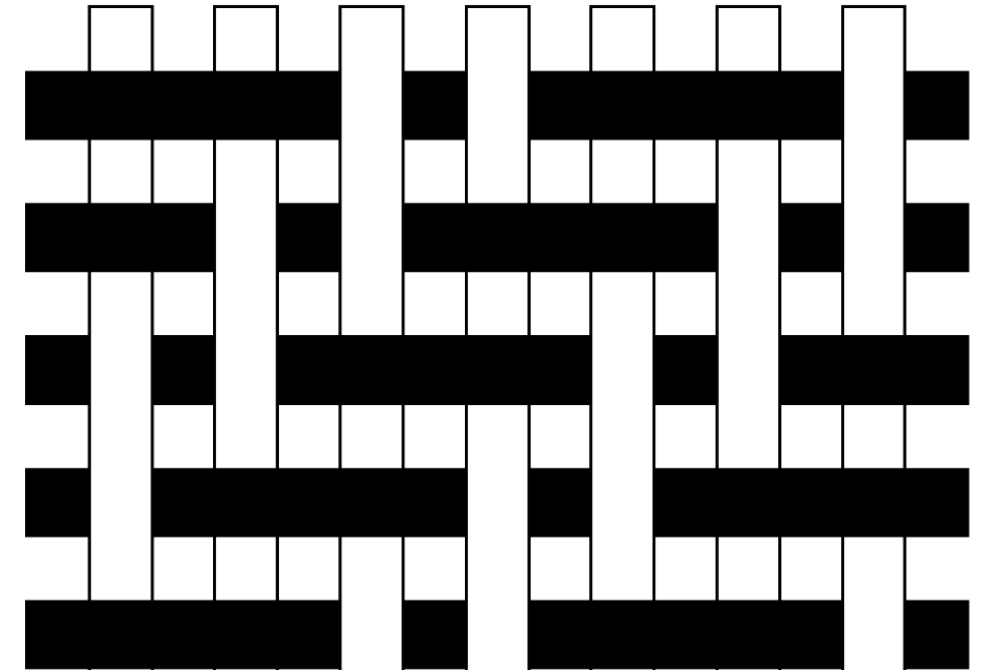
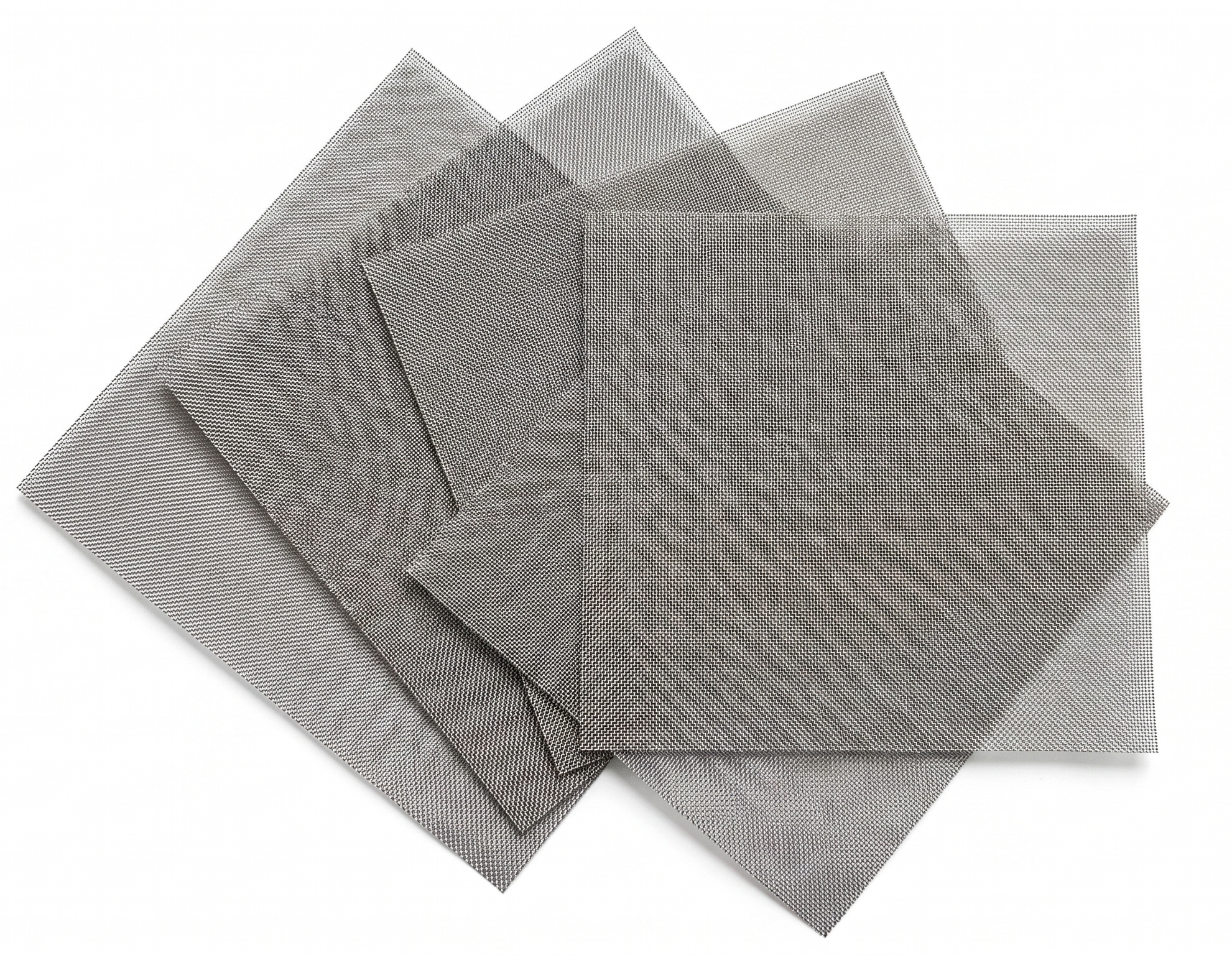
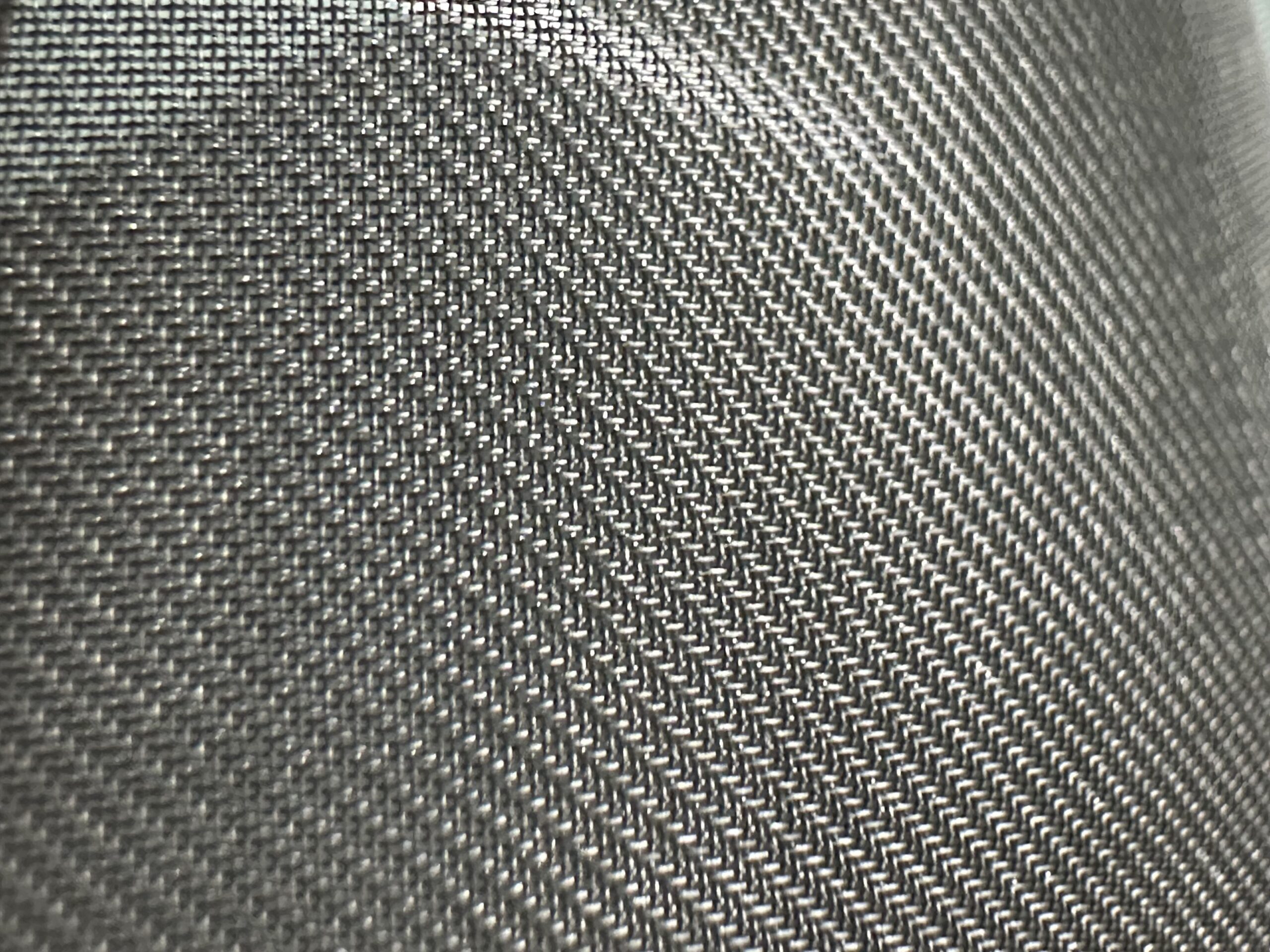
Twill Weave Stainless Steel Wire Mesh
Superior Strength for Fine Filtration (Up to 635 Mesh).
Specs Table(some key products)
|
Material |
Mesh Count |
Wire Dia.(mm) |
Aperture(mm) |
Open Area(%) |
|---|---|---|---|---|
|
304 |
100 |
0.1 |
0.154 |
36.76 |
|
316L |
150 |
0.07 |
0.099 |
34.41 |
|
316L |
200 |
0.056 |
0.071 |
31.25 |
|
316L |
325 |
0.035 |
0.043 |
30.49 |
|
316L |
350 |
0.033 |
0.04 |
29.73 |
|
316L |
400 |
0.03 |
0.034 |
27.83 |
|
316L |
450 |
0.026 |
0.03 |
29.09 |
|
316L |
500 |
0.025 |
0.026 |
25.79 |
|
316L |
635 |
0.02 |
0.02 |
25 |
The data is for reference only; actual conditions prevail.
Technical Downloads
FAQ
A: Twill weave allows us to use thicker wires for the same mesh count. This makes the cloth stronger and more durable than plain weave when filtering very fine particles (200 mesh and above).
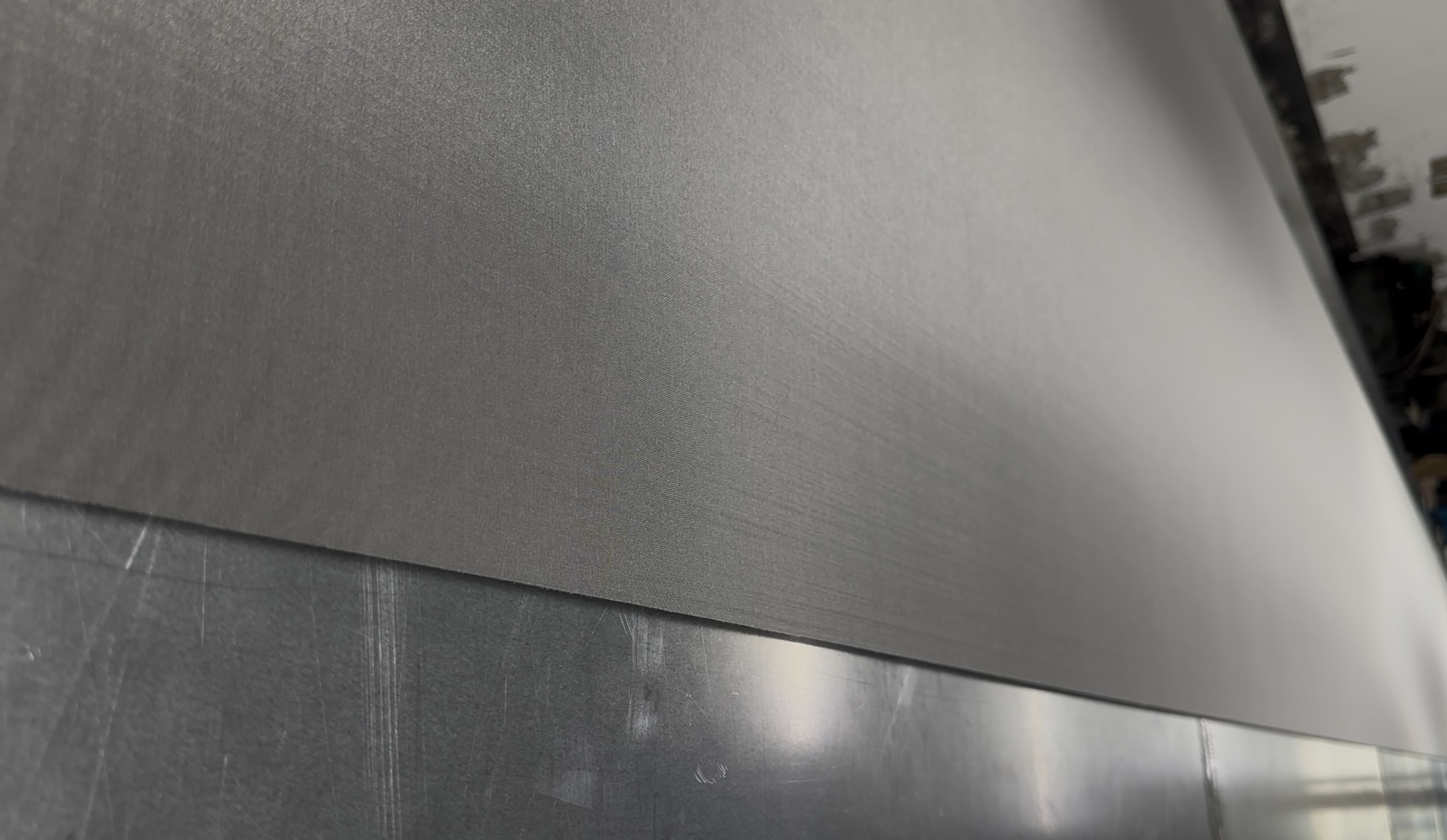
A: Yes, fine twill mesh (like 400 mesh) is soft like silk fabric and can be cut with high-quality household shears. However, for mass production, we recommend laser cutting to seal the edges and prevent fraying.
A: For fine mesh, it’s hard to count with the naked eye. We recommend using a standard mesh counter (thread counter) or a microscope. We provide a full inspection report with photos for every shipment.